

Refractor vs. Reflector vs. Dobsonian: Which is Best for Beginners?
One of the most common questions new astronomers ask is: what type of telescope should I actually get? Refractor, reflector, Dobsonian — the terms get thrown around constantly, but few guides explain the real differences in plain language.
Here's a decision-friendly breakdown, with a simple guide at the end to help you decide.
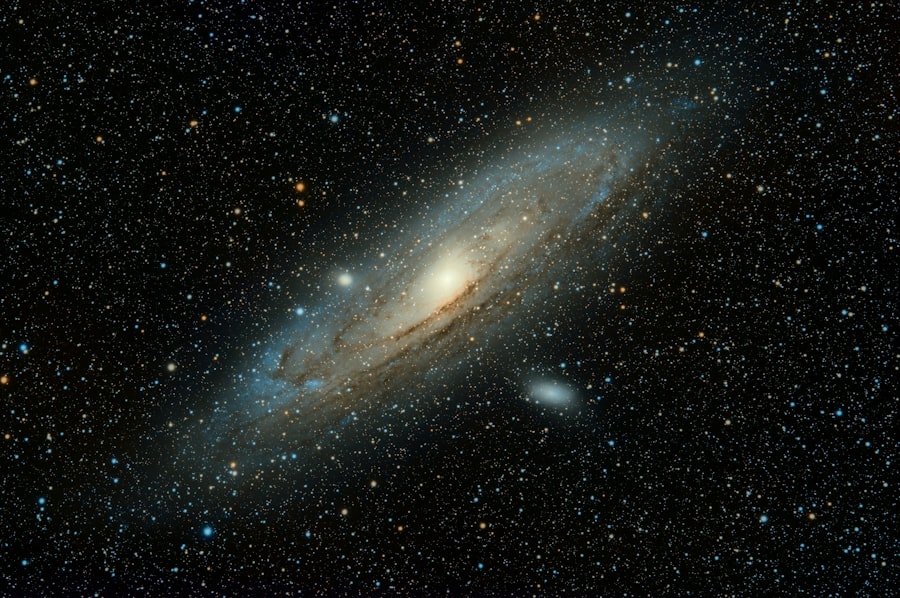
Reflector telescopes offer the most aperture per dollar for beginners.
Refractor Telescopes
A refractor uses glass lenses at the front of the tube to bend and focus light. It's the classic telescope shape — long and narrow.
Pros: Almost zero maintenance. No alignment needed. Crisp, high-contrast views of the Moon and planets. Great in cities and light-polluted areas. Durable and portable.
Cons: Less aperture per dollar compared to reflectors. A quality 80mm or 90mm refractor is excellent, but you'll spend more to get a large aperture.
Best for: Beginners who want plug-and-play simplicity, live in a city, or mainly want to look at the Moon and planets.
Browse refractor telescopes →
Reflector Telescopes
A reflector uses a curved mirror at the bottom of the tube to gather and focus light. The most common beginner reflector is the Newtonian design.
Pros: More aperture for your money — a 130mm reflector costs less than a comparable refractor. Better for faint deep-sky objects.
Cons: Requires occasional collimation (alignment). Slightly bulkier than refractors of similar aperture.
Best for: Beginners who want the most views per dollar and don't mind occasional maintenance.
Dobsonian Telescopes
A Dobsonian is a large Newtonian reflector on a simple rocker-box alt-azimuth mount. It's manually operated, prioritises aperture above everything else, and offers unbeatable views at any price point.
Pros: Maximum aperture for minimum cost. Simple, intuitive mount. Outstanding views of planets, nebulae, and globular clusters.
Cons: Bulky and heavy. Not ideal for astrophotography. Requires manual tracking.
Best for: Beginners who want the best possible views and have space to store a larger scope.
Browse Dobsonian telescopes →
Get Your Free Beginner Stargazing Starter Guide
Join thousands of beginner astronomers. Weekly tips, gear guides, and stargazing inspiration — no spam, unsubscribe any time.
Which Should You Choose?
Here's a simple decision guide based on your priorities:
- Want zero maintenance + city use + portability? → Refractor (70–90mm)
- Want maximum views per dollar + occasional dark sky trips? → Reflector (130mm) or Dobsonian (6")
- Want the absolute best views and have space? → Dobsonian (6–8")
- Planning astrophotography eventually? → Reflector or refractor on an equatorial mount
Browse our full beginner telescope collection to compare models from each category side by side.

Dobsonians offer unbeatable views of the Milky Way and deep-sky objects.
Frequently Asked Questions
What is the difference between a refractor and reflector telescope?
A refractor uses glass lenses at the front of the tube to focus light. A reflector uses a curved mirror at the bottom. Refractors are low-maintenance and sharp for planets; reflectors give more aperture per dollar but need occasional alignment (collimation).
Which telescope type is best for beginners?
For most beginners, a refractor (70–90mm) or a Dobsonian (5–6 inch) is the best starting point. Refractors are plug-and-play with minimal maintenance. Dobsonians offer the most aperture for the money.
Are Dobsonian telescopes good for beginners?
Yes — Dobsonians are excellent for beginners who want the best views per dollar. Their large aperture shows more detail on planets and deep-sky objects. The main trade-off is they're bulkier than refractors and require manual object tracking.
What's the advantage of a reflector over a refractor telescope?
Reflector telescopes give significantly more light-gathering aperture per dollar. A 130mm reflector costs about the same as a 70mm refractor but collects roughly 3.5x more light — meaning brighter, more detailed views of deep-sky objects.