

Best Beginner Telescopes Under $300 (2026 Guide)
So you want to start stargazing but don't want to blow the budget — smart move. The good news is that $300 gets you a genuinely capable telescope, not just a toy. The not-so-good news? There are a lot of options out there, and most generic "best of" lists won't tell you which one actually suits you.
Here's an honest breakdown of the three types you'll find in this price range, and a clear recommendation for most beginners.
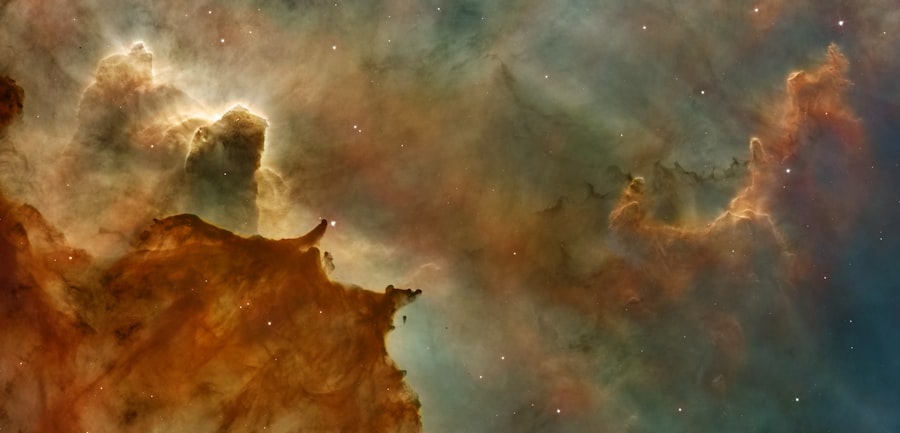
A well-chosen beginner telescope opens up a lifetime of stargazing.
The Three Types Worth Considering
Refractor telescopes are the classic long tube you picture when you think "telescope." They're low-maintenance, great for the Moon and planets, and easy to set up. Under $300, you're looking at 60mm to 90mm of aperture — enough for clear lunar craters, Saturn's rings, and Jupiter's moons.
Reflector telescopes give you more aperture for your dollar. A 114mm or 130mm reflector under $300 will show you noticeably more than a same-priced refractor. The trade-off: they need occasional collimation (a simple alignment process) and the images appear slightly dimmer than premium optics.
Dobsonian telescopes are the crowd favourite for budget beginners. A basic 4.5" or 6" Dob gives you serious light-gathering ability at a low price. They're manually operated (no motors), which some beginners find a bit tricky at first, but they're incredibly rewarding once you get the hang of it.
Our Top Pick for Most Beginners
For a true beginner who wants good views and ease of use, we lean toward a 90mm refractor or a 130mm reflector on an equatorial mount. Here's why:
- The equatorial mount teaches you how the sky actually moves — useful knowledge for any future upgrades
- Aperture in this range shows you more than enough to stay hooked: the Moon in stunning detail, Saturn, Jupiter, Mars, and even some brighter deep-sky objects like the Orion Nebula
- Price sits comfortably under $300 with room to spare for a decent eyepiece or two
Browse our full selection of beginner telescopes to compare options side by side. If you want to go straight to our most popular models, check the best sellers.
Get Your Free Beginner Stargazing Starter Guide
Join thousands of beginner astronomers. Weekly tips, gear guides, and stargazing inspiration — no spam, unsubscribe any time.
What You'll Actually See
Let's set honest expectations — something a lot of sellers skip:
- Moon: Outstanding. Craters, ridges, mountains. The single best object for any beginner telescope.
- Planets: Saturn's rings are visible and recognizable. Jupiter shows bands and its four largest moons. Mars shows a reddish disc.
- Deep sky: The Orion Nebula, Pleiades star cluster, and a few others are accessible. Full galaxies and nebulae require more aperture and dark skies.
Before You Buy
Ask yourself two questions:
- Where will you use it? If you're in a city, a wide-aperture scope can actually hurt you by gathering more light pollution. A quality refractor handles urban skies better.
- How portable does it need to be? A Dobsonian is heavy and doesn't break down small. A refractor on a travel-friendly tripod is far easier to carry to the park.
Add a Better Eyepiece
No matter which telescope you choose, the stock eyepiece is usually the weakest link. Swapping it for a quality 25mm or 10mm eyepiece makes an immediate difference. Browse our telescope eyepieces to find a compatible upgrade.
Getting your first telescope right means you'll actually use it. Take your time, match the scope to how and where you'll observe, and you'll be set up for years of great nights under the stars.
Saturn's rings are one of the first things new astronomers look for.
Frequently Asked Questions
What is the best beginner telescope under $300?
For most beginners, a 90mm refractor or 130mm reflector on an equatorial mount offers the best balance of views and ease of use under $300. These show Saturn's rings, Jupiter's moons, and lunar craters in excellent detail. Browse our beginner telescope collection to compare options.
Is $300 enough for a good telescope?
Yes — $300 is a solid budget for a first telescope. You'll get genuine optics from trusted brands like Celestron, Orion, or Sky-Watcher that deliver genuinely impressive views. Avoid cheap department-store telescopes, which are more frustrating than rewarding.
What can I see with a beginner telescope under $300?
At this budget you can clearly see lunar craters and mountains, Saturn's rings, Jupiter's cloud bands and four moons, Mars as a reddish disc, and bright deep-sky objects like the Orion Nebula and Pleiades.
Should a beginner get a refractor or reflector telescope?
Both are great choices. A refractor is lower-maintenance and better in cities; a reflector gives more aperture per dollar and is great for slightly darker skies. For most beginners, a 90mm refractor is the easiest starting point.