

Telescope Bags and Cases: How to Protect Your Telescope
Your telescope is a precision optical instrument. The lenses or mirrors that produce those stunning views of Saturn's rings and lunar craters are sensitive to dust, moisture, and physical shock. A proper carrying bag or case is one of the most practical investments you can make in this hobby — and one that beginners almost always overlook until something goes wrong.
This guide walks you through everything you need to know about protecting your telescope: the types of bags and cases available, what to look for, how to size one correctly, and how to pick the right option for how you observe.
Why Telescope Protection Matters
Most telescope damage happens before or after the observing session — not during it. Here's what you're protecting against:
Dust. Even indoors, dust accumulates on telescope mirrors and lenses over time. On a mirror, dust scatters incoming light and reduces contrast. On a lens, it reduces transmission. A bag keeps your optics clean between sessions, which means less frequent (and risky) cleaning.
Moisture. Humidity is the enemy of telescope coatings. Damp storage causes primary mirror aluminum coatings to oxidize, and over time can delaminate lens coatings on refractors. If you live in a humid region — the Gulf Coast, Pacific Northwest, Florida, the Southeast — this is a real and ongoing concern.
Physical impact. The most common cause of telescope damage. A telescope tipping over in the trunk of a car without padding, or a focuser taking a knock against a hard surface, can knock the optics out of collimation or scratch lens coatings. A padded bag absorbs these shocks.
Temperature shock. Rapid temperature changes stress optical coatings and glass elements. A bag that slows temperature change during transit protects against thermal stress.
Types of Telescope Bags and Cases
Padded Tube Bags
The simplest and most common option. A padded cylindrical bag fits around a refractor or Newtonian tube and offers good basic protection for car transport and home storage. Look for at least 1 inch of foam padding on all sides, a water-resistant exterior, and sturdy YKK-style zippers. Many include an accessory pocket for a finder scope, diagonal, and a couple of eyepieces.
Tube bags are the right choice for compact refractors (70–102mm), short Newtonians, and Maksutov-Cassegrain telescopes. They're typically the lightest and least expensive option.
Backpack Carry Cases
A step up in convenience. Backpack cases have padded shoulder straps, multiple organized interior compartments, and exterior attachment points for a tripod. They're ideal for hiking to dark-sky sites where you need your hands free, attending star parties, or anyone who wants to keep their entire kit organized in one bag.
The best backpack cases have adjustable Velcro interior panels that let you reconfigure the layout to fit your specific scope, eyepieces, and accessories. Many also work well as eyepiece-only transport when you're visiting a site that has a fixed telescope.
Eyepiece and Accessory Cases
Even if you don't bag your telescope tube, your eyepieces absolutely need protection. Eyepiece coatings scratch easily, and loose eyepieces rolling around in a backpack is a recipe for frustration. A dedicated eyepiece case with foam-lined compartments keeps your entire eyepiece collection organized, dust-free, and within reach at the telescope.
Good eyepiece cases hold 4–6 eyepieces (1.25" or 2") in individual cushioned slots, plus filters, a Barlow lens, and small accessories. Some include an attachment panel that mounts the whole case directly to your tripod leg for instant access during a session.
Hard Cases
Rigid aluminum or ABS plastic cases with foam cutouts offer the maximum level of protection. They're overkill for regular backyard use but the right choice for air travel, shipping a telescope, or off-road transport to remote observing sites. Hard cases are heavier and more expensive, but if your telescope is going to be checked as airline luggage, a hard case is non-negotiable.
Our Picks: Telescope Bags Available at Telescope Wolves

Explore Scientific Backpack Carry Case — Eyepieces & Accessories (ES-BPCC-01)
$79.99
This is the backpack we recommend for most beginner setups. Multiple padded compartments organize your eyepieces, filters, Barlow lens, star charts, and red-light flashlight so everything is at hand during a session. Padded shoulder straps make the hike to your observing site comfortable, and reinforced construction holds up to regular field use. When you’re setting up at a dark sky site in the dark, the last thing you want is to be rummaging for a missing eyepiece — this case solves that.

Explore Scientific Backpack Carry Case for 102mm Telescopes (ES-BPCC-01-102)
$79.99
Specifically designed for 102mm refractor telescopes (Explore Scientific Essential or FCD100 Series, focuser removed), this backpack case also fits 80mm refractors with the focuser installed. Tool-free thumb screws secure the scope without tools — important for quick setup and teardown in the dark. Adjustable Velcro interior panels reconfigure to fit whatever accessories you bring, exterior straps attach a compact tripod, and a mesh side pocket handles small items. If you own an 80mm or 102mm refractor, this is the purpose-built bag for it.
Browse the full Telescope Bags & Cases collection for our complete range of carrying bags, cases, and eyepiece organizers.
Get Your Free Beginner Stargazing Starter Guide
Weekly tips, gear guides, and dark-sky inspiration — straight to your inbox. No spam, unsubscribe any time.
How to Size a Telescope Bag: Step-by-Step
The most common mistake buyers make is measuring only the tube length and forgetting the protrusions. Here’s how to size properly:
Refractors: Measure the full tube length from lens cap to focuser end. On many refractors, the focuser protrudes 3–5 inches below the tube — include this in your length measurement. Measure the tube diameter at its widest point (the dew shield). Add at least 2 inches to each dimension for padding clearance.
Newtonian Reflectors: Measure the tube length with the focuser in the retracted position. Measure the tube diameter, and also measure how far the focuser sticks out sideways — on most Newtonians this is the widest dimension. The bag needs to clear the focuser without pressing it inward. Add 2–3 inches clearance on all sides.
Maksutov-Cassegrain and SCT Telescopes: These compact telescopes have a narrow profile and fit well in cylindrical tube bags. Measure length (front lens plate to back end cap) and diameter. The corrector plate at the front is the most vulnerable surface — make sure the bag has end padding, not just side padding.
Dobsonian Telescopes: Most Dobsonian users transport the tube and rocker box separately. The tube can fit in a padded tube bag or blanket; the rocker box typically goes in the trunk wrapped in moving blankets. A padded backpack case for the eyepieces and accessories rounds out the setup.
Transport Tips: Getting Your Telescope to a Dark Sky Site
Getting a telescope safely to a dark sky site takes a little planning, especially for longer drives. Here’s what experienced observers do:
Always transport horizontally. Never drive with a telescope standing vertical in the back seat. Vertical transport means the full weight of the telescope can tip and topple at the first sharp turn. Lay it flat in a bag or case.
Secure it against sliding. Even inside a padded bag, a telescope can shift in the trunk during braking. Use bungee cords, trunk organizers, or gear straps to keep the bag from sliding around. A loose telescope in a bag still experiences impact from every pothole.
Separate the OTA from the mount. For equatorial mounts especially, it’s usually best to transport the optical tube assembly (OTA) and mount separately. This reduces weight in each package and protects the mount’s precision gears from the telescope tube’s weight during transport.
Let your scope acclimate. When you arrive at your site, take the telescope out of its bag and let it cool to ambient temperature before observing — this is called “thermal equilibration.” A Newtonian mirror can take 30–60 minutes to settle; a refractor less. Until it acclimates, the optics produce wavy, distorted views from heat convection inside the tube.
For hiking to remote sites: A backpack case is essential. Keeping both hands free on rough terrain is a safety issue, not just a convenience. Pack your heaviest items (mount, counterweights, battery) in a separate framed hiking pack, and carry the telescope tube in the dedicated backpack case. Bring a red-light headlamp and wear it — you’ll need both hands to pick your way across dark terrain.
Storing Your Telescope at Home
How you store your telescope between sessions matters almost as much as how you transport it. Common mistakes:
Don’t store in a garage or unheated space. Temperature extremes and humidity fluctuations are hard on coatings. Garages in most of the U.S. cycle through extreme heat in summer and freezing cold in winter. This stresses the optical cement in lens doublets and can eventually crack coatings. Store indoors at room temperature.
Don’t leave lens caps off indefinitely. Lens caps keep dust off. But if you live in a high-humidity climate (Florida, the Gulf Coast, Pacific Northwest), leaving a capped telescope stored in a closed bag can trap moisture. The solution: store with caps on, but don’t zip the bag completely — leave the main zipper slightly open for air circulation. Consider adding a silica gel packet inside the bag.
Cover the open end of reflectors. Newtonians and Dobsonians have open tubes that collect dust directly on the primary mirror. Always cap the tube opening (most scopes come with a cap or cover) and store the telescope tube pointing down or horizontally to reduce dust settling on the mirror.
Store eyepieces in a case, not loose. Eyepiece coatings are among the most delicate surfaces in your kit. Loose eyepieces in a drawer or bag get scratched. An organized eyepiece case keeps them in individual cushioned slots — clean, protected, and always findable in the dark.
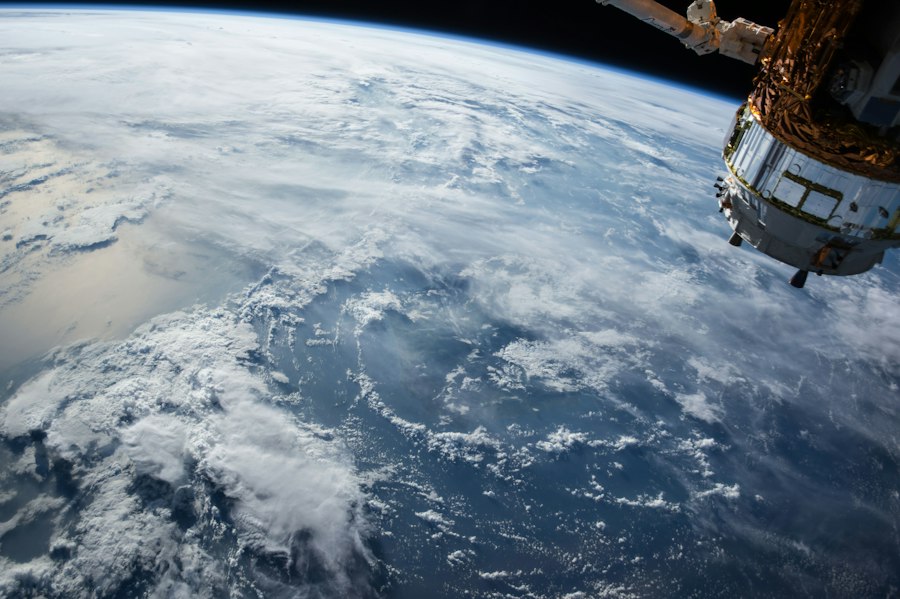
A properly protected telescope makes these views possible, session after session.
Frequently Asked Questions
Do I need a case for my telescope?
Yes — if you transport your telescope regularly, a bag or case is essential. Dust accumulates on mirrors and lenses and degrades optical performance over time. Moisture causes mirror oxidation and lens coating deterioration, especially in humid climates. Physical impact during transport is the most common cause of telescope damage. Even a basic padded bag significantly protects your investment and makes trips to dark-sky sites much easier.
What size telescope bag do I need?
Measure your telescope tube’s total length and its widest point (usually where the focuser protrudes). Add 2–4 inches of clearance on all sides for padding. For a 900mm refractor, look for a bag at least 38–40 inches internally. For reflectors, measure with the focuser extended and account for its side protrusion. When in doubt, go slightly larger — you can always add internal foam to fill extra space.
Are hard cases better than soft bags for telescopes?
Hard cases offer the best protection for rough handling — air travel, shipping, or off-road transport. They’re heavier and more expensive. Soft padded bags and backpacks are lighter, easier to carry on foot, and perfectly adequate for regular car trips to dark-sky sites. For most hobbyists driving to a state park or backyard observing, a high-quality padded backpack is the right choice.
Can I store my telescope in its bag long-term?
Yes, with some caveats. Never store in a damp basement or hot attic — extreme humidity and heat degrade coatings. A bag provides dust protection during short-term storage, but for long-term storage, leave the bag slightly unzipped for air circulation and add silica gel packets to control moisture. Store at room temperature in a stable, dry indoor location.
Do reflectors and refractors need different bags?
Yes. Refractors use long, narrow cylindrical tubes that fit well in tube bags or tall backpack cases. Reflectors are shorter and wider with a side-protruding focuser, making sizing more critical. Dobsonian owners typically transport the tube and rocker box separately. Backpack-style cases work for mid-size Newtonians when the tube fits the interior dimensions — always measure before buying.
What should I look for in a telescope bag?
Key features: dense foam padding on all sides (at least 1 inch thick), water-resistant or waterproof exterior, sturdy zippers that don’t snag, shoulder straps or top handles for comfortable carrying, extra pockets for eyepieces and accessories, and the right dimensions for your telescope tube. Backpack-style cases add the bonus of hands-free carrying — worth paying for if you hike to observing sites.